5 Ways AI Turns Unstructured Customer Feedback Into Actionable Insights

Most customer feedback is unstructured text, and most of it never gets read. AI customer feedback analytics changes that. It reads emotion, groups comments into themes, finds the root cause, flags issues in real time, and ranks the fixes that matter most. The result: faster decisions, fewer blind spots, and feedback that actually drives action.


Your customers are telling you exactly what they want. The problem is that customer feedback analytics powered by AI is now the only realistic way to hear them. Most of what they share lives in open text: reviews, chat logs, survey comments, support tickets, and social posts. That text holds your clearest signals about churn, loyalty, and growth.

But humans cannot read it all. A single store can collect thousands of comments a week. Tagging them by hand is slow, inconsistent, and biased toward whoever does the tagging.

So most teams skim a sample, guess at the rest, and move on. The real insight stays buried. This is why AI is becoming essential to customer experience: it reads everything, finds patterns people miss, and turns raw comments into decisions. Here are five ways it does that.

What Is AI-Powered Customer Feedback Analytics?

AI-powered customer feedback analytics uses natural language processing to read open-text feedback at scale. It detects sentiment, themes, intent, and emerging issues automatically, then turns thousands of unstructured comments into structured insight your team can act on without manual tagging.

Statistics showing 80 to 90 percent of enterprise data is unstructured and most is never analyzed

The scale problem is bigger than most teams realize. Research shows that unstructured data makes up 80 to 90 percent of all new enterprise data and grows three times faster than structured data, yet only a small fraction is ever stored, let alone analyzed.

That gap is expensive. The feelings, complaints, and ideas inside open text are exactly what a strong Voice of Customer (VoC) program needs. AI closes the gap by reading the text humans never get to.

Five ways AI turns customer feedback into insights: sentiment, themes, root cause, real-time alerts, prioritized action

Way 1: AI Reads Emotion at Scale With Sentiment Analysis

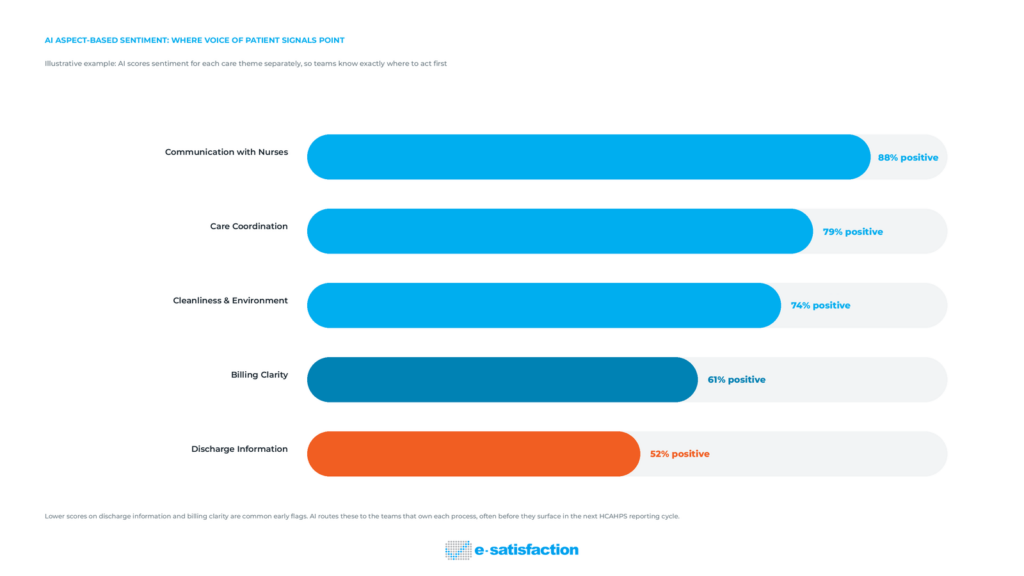
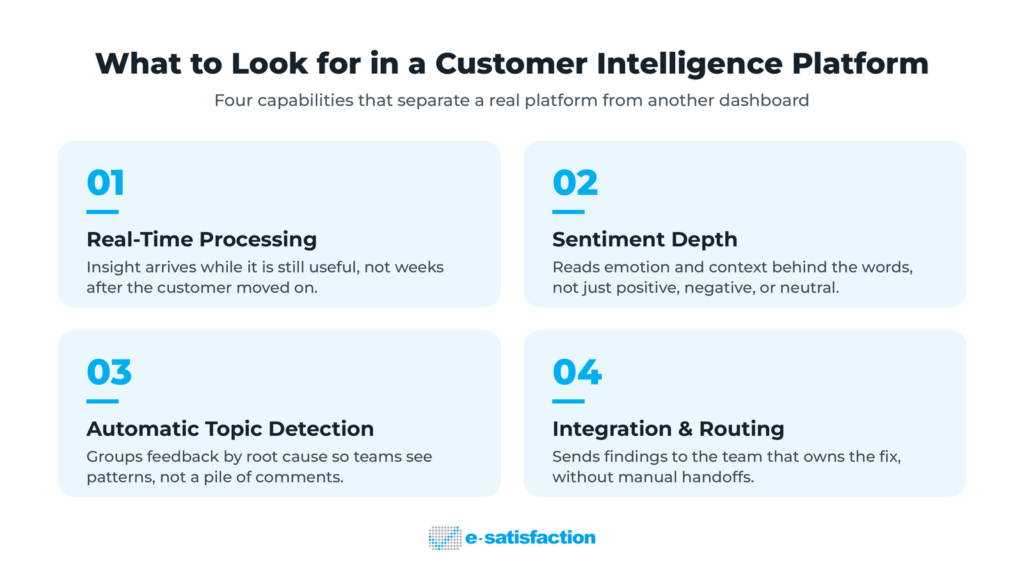
Sentiment analysis uses AI to score the emotion in a comment as positive, negative, or neutral. Instead of a star rating alone, you learn how customers actually feel about delivery, checkout, or support, across every comment, in seconds.

A five-star review can still hide frustration. A three-star one can be loyal and constructive. AI sentiment analysis reads the words, not just the number, so you see the feeling behind the score.

It also tracks tone over time. If sentiment about returns drops sharply this month, you know before it shows up in your NPS. That early read is the first step from raw feedback to action.

Way 2: AI Groups Thousands of Comments Into Themes

Theme detection uses AI to cluster similar comments into clear topics automatically. Rather than skim 3,000 reviews, you see that 412 mention slow delivery, 280 mention sizing, and 95 mention a confusing checkout, ranked and ready to act on.

This is where scale becomes clarity. AI-powered topic detection reads every comment, finds recurring patterns, and labels them without a fixed list of tags. New issues surface on their own.

It works across channels too. Conversational analytics applies the same approach to chat and call transcripts, so a problem raised in support and a problem raised in a survey land in the same theme. You finally see one picture instead of fragments.

Way 3: AI Finds the Root Cause Behind the Feedback

Knowing what customers say is useful. Knowing why they say it is what drives change. AI goes past surface keywords to read intent and context. It tells the difference between “checkout was slow” because of a payment error and “checkout was slow” because of too many steps.

That precision matters. When AI taps the context inside unstructured text, early adopters report large drops in analysis errors compared with working from structured data alone.

So instead of a vague theme like “payment issues,” you get the real driver: a specific bug on one device, or a step customers do not understand. That is the difference between guessing and fixing.

If this sounds like the gap in your own reports, see how AI solves the problems traditional feedback methods cannot.

Way 4: AI Flags Emerging Issues in Real Time

Real-time analysis means AI scans incoming feedback as it arrives and alerts you the moment a new issue spikes. You hear about a broken promo code or a shipping delay within hours, not after the quarterly report, when the damage is already done.

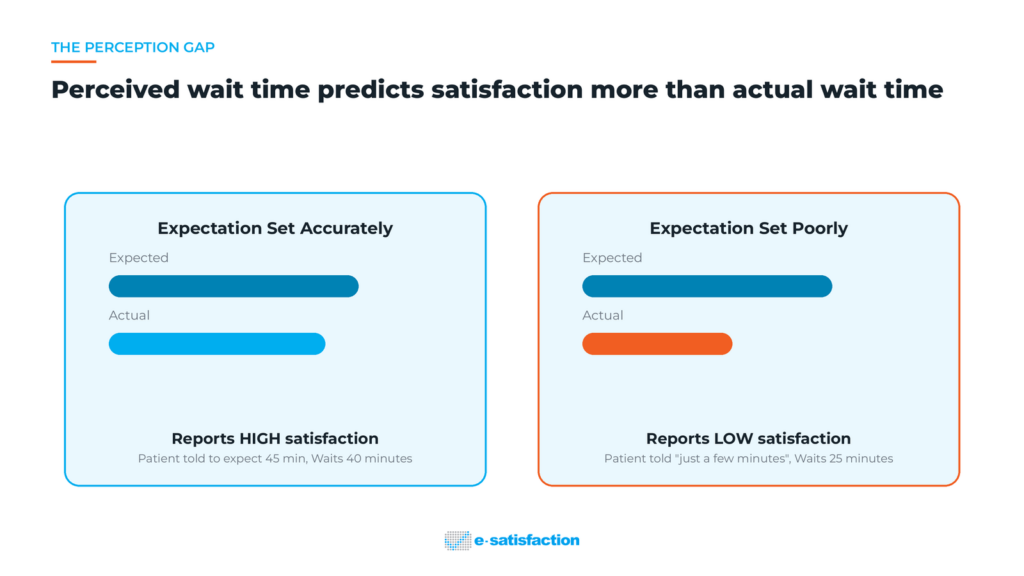
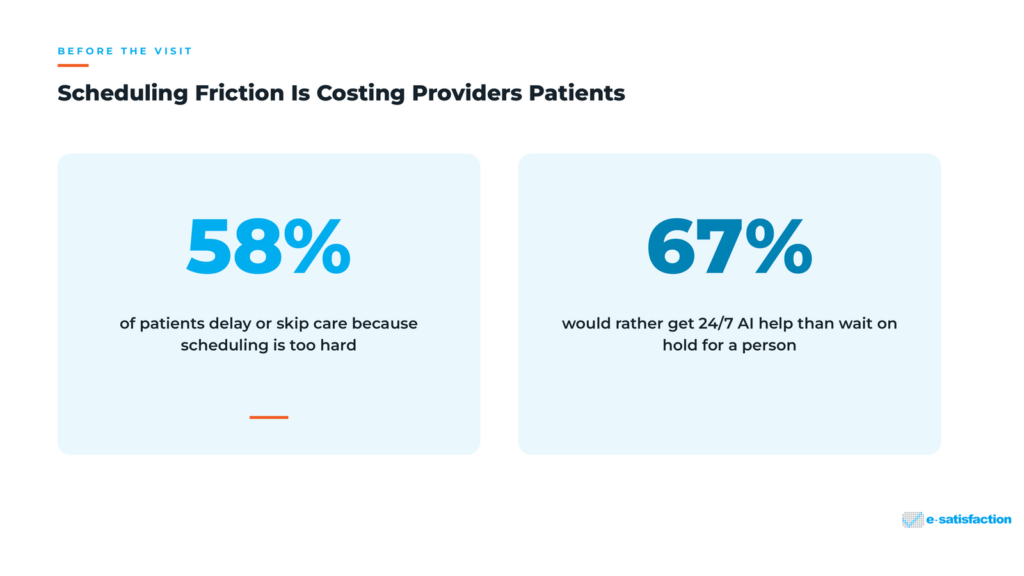
This matters because most unhappy customers stay silent. Research from CX analyst Esteban Kolsky found that only about 1 in 26 unhappy customers actually complain, while the rest simply leave. Real-time signals help you act on the few who speak before the silent majority churns.

It also shifts your whole posture. AI moves teams from reactive problem-solving to proactive action, catching friction early so you can spot churn risk and step in before customers go quiet.

Way 5: AI Turns Customer Feedback Analytics Into Prioritized Action

The final way is the most important. AI does not just report. It ranks issues by how often they appear and how much they hurt, then routes each one to the right owner. Your team spends time fixing the problems that move revenue, not sorting a backlog.

Closed-loop AI feedback analytics process from collect to analyze to prioritize to act

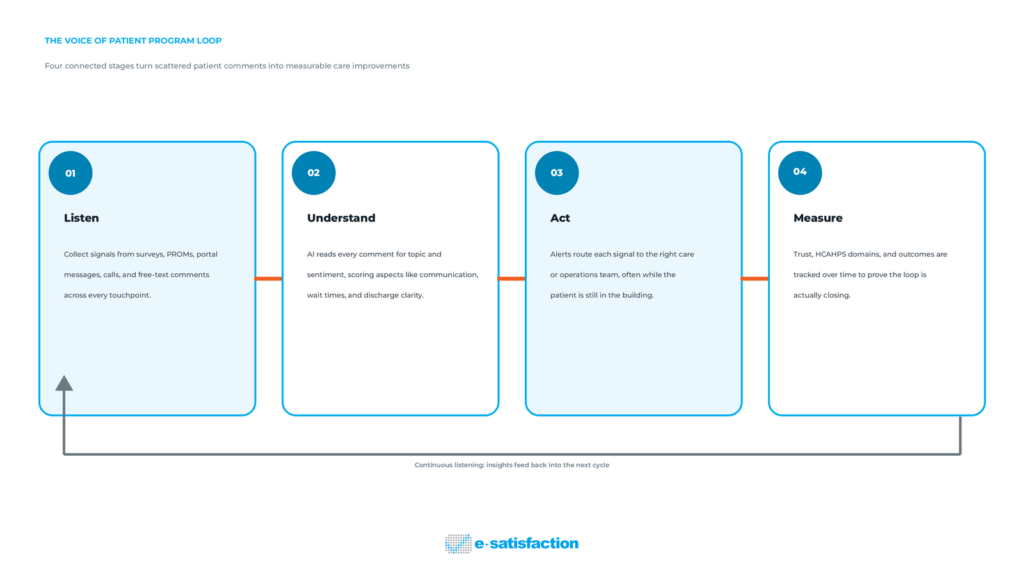
This closes the loop. Feedback comes in, AI analyzes and prioritizes it, the team acts, and customers hear what changed. That last step builds trust and brings the next round of feedback.

The payoff is real. McKinsey reports that personalization, done well, lifts revenue by 5 to 15 percent, and you cannot personalize what you have never read. Acting on feedback at scale is how that lift happens.

Turning Feedback Into Your Biggest Advantage

Unstructured feedback is not noise. It is your richest source of truth, and AI is what finally makes it readable. Three takeaways to hold onto:

First, the value is in the open text, not the score. Sentiment, themes, and intent live in the words. Second, speed wins. Real-time signals let you fix issues before silent customers leave. Third, insight only counts when it drives action, so prioritize and close the loop.

Customers already expect to be heard. McKinsey found that 71 percent of consumers expect personalized interactions and 76 percent get frustrated when that is missing. Reading their feedback with AI is how you meet that bar, and it is where customer experience is heading.

Ready to turn unstructured feedback into action your team can take this week? Book a free demo of e-satisfaction and see your own feedback analyzed live.


Frequently Asked Questions

What is AI customer feedback analytics?

AI customer feedback analytics uses natural language processing and machine learning to read open-text feedback at scale. It detects sentiment, themes, intent, and emerging issues automatically, turning unstructured comments from surveys, reviews, chats, and tickets into structured insight teams can act on without manual tagging.

How does AI analyze unstructured customer feedback?

AI reads each comment, scores its emotion, groups similar comments into themes, and identifies the intent or root cause behind them. It then ranks issues by frequency and impact. This works across channels, so feedback from chat, email, and surveys is analyzed in one consistent view.

Is AI feedback analysis more accurate than manual tagging?

AI applies the same logic to every comment, so it avoids the inconsistency and fatigue of manual tagging. It reads the full volume of feedback rather than a sample, which reduces blind spots. Humans still review edge cases and set strategy, but AI handles the scale and speed people cannot match.

Can AI detect customer issues before they cause churn?

Yes. AI scans feedback in real time and alerts teams when a new issue spikes, often within hours. Because most unhappy customers never complain directly, catching the few who do speak up early gives teams a chance to fix problems before the silent majority quietly leaves.

What types of feedback can AI analyze?

AI can analyze almost any text-based feedback, including survey open-ends, product reviews, support tickets, live chat and call transcripts, emails, and social media posts. Bringing these sources together lets teams see one unified picture of the customer experience instead of disconnected fragments.

How AI Improves Customer Retention and Reduces Churn

AI customer retention works by spotting at-risk customers before they leave. It reads feedback, support chats, and behavior to predict churn weeks in advance, then triggers the right outreach. The payoff is large: small retention gains compound into outsized profit. This guide explains how AI predicts churn, how to act on the signals, and the results brands can expect.


You already know AI can help you keep customers. The real question is how, and how much. AI customer retention is not a single tool. It is a loop that listens to every customer signal, predicts who is about to leave, and acts before they do.

Most teams still work the other way around. They wait for a complaint, a cancellation, or a drop in revenue. By then the customer has already decided. The math makes this painful. According to Bain & Company, a 5% lift in retention can raise profits by 25% to 95%, and Harvard Business Review reports winning a new customer costs five to 25 times more than keeping one.

So the prize is clear. What changes with AI is timing. You stop reacting and start preventing. Here is how that works in practice.

What Is AI Customer Retention?

AI customer retention is the use of machine learning to predict which customers are likely to churn and to trigger timely, personalized action to keep them. It analyzes feedback, support conversations, and usage patterns in real time, then flags risk early enough for your team to respond.

Think of it as an always-on early warning system. Traditional retention relies on lagging signals like missed payments or support escalations. Those surface risk too late. AI reads leading signals instead: a dip in engagement, a frustrated tone in a chat, a survey score sliding down. It connects dots no human could track across thousands of accounts. This is the foundation of modern AI in customer experience, where prediction replaces guesswork.

Why Do Customers Churn Before You Notice?

Most unhappy customers never complain. They quietly disengage, then leave for a competitor when the moment is right. Your dashboards stay green while loyalty erodes underneath. This silent churn is the single biggest blind spot in retention.

Silent churn statistic: most unhappy customers leave without ever complaining

Gartner’s guidance on churn prevention stresses the same point: spot issues before they become problems, because a complaint is already a late signal. The customers who say nothing are often your highest risk. They simply weigh the effort of switching against the value they feel, and decide.

AI closes this gap by listening where customers actually express themselves. AI sentiment analysis reads emotion in open-text feedback and reviews. Conversational analytics surfaces frustration buried in support chats. Together they catch the quiet signals long before a cancellation.

How Does AI Predict Customer Churn Before It Happens?

AI predicts churn by scoring each customer on their likelihood to leave, often 30 to 90 days ahead. It learns from past churners, weighs hundreds of behavioral and feedback signals, and updates the score as new data arrives. High-risk customers get flagged for action automatically.

McKinsey describes this as a layered model approach: propensity models score the chance a customer churns, channel models pick the best way to reach them, and value models weigh the revenue at stake. A customer flagged as high risk can be pulled from promotions and moved into a tailored retention journey instead.

The fuel for these models is unified data. A strong AI Voice of Customer program feeds the model real-time signals from surveys, behavior, and conversations, so predictions stay sharp.

Turning Early Warnings Into Retention Action

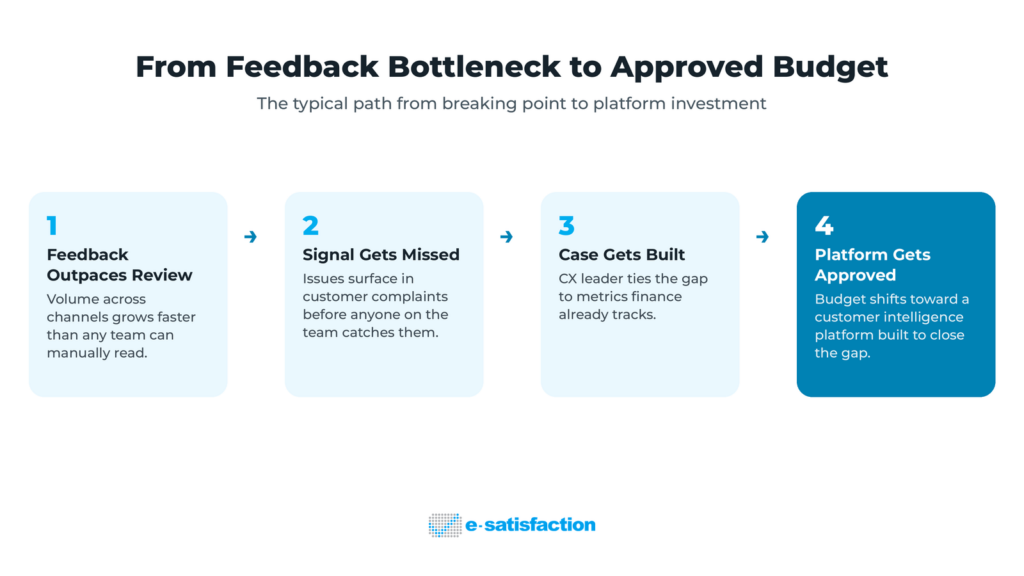
A prediction only matters if it triggers action. This is where many programs stall. They build accurate churn scores, then leave them sitting in a dashboard while the customer drifts away. The model is the easy part. Closing the loop is the work.

AI customer retention loop: detect, predict, act, and learn diagram

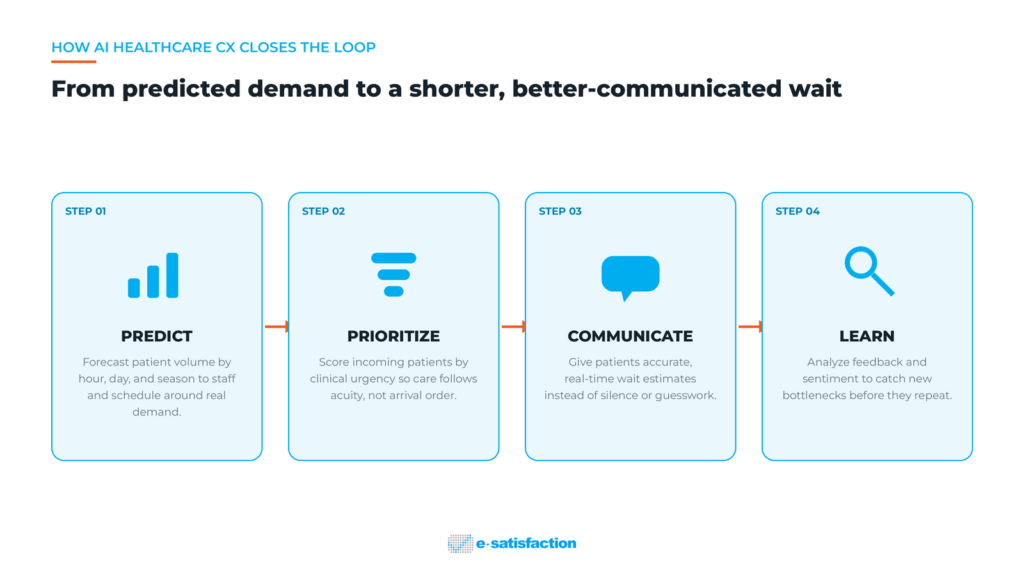
The strongest retention engines run a continuous loop. Detect the signal. Predict the risk. Act with the right outreach. Learn from the outcome. Each cycle makes the next prediction smarter. The action itself should fit the customer: a proactive check-in for a confused user, a value reminder for a quiet one, a fast fix for a frustrated one.

This is where AI-powered CX solutions turn insight into outcomes. They route the right play to the right customer, automatically, so your team spends time on saves instead of spreadsheets. If you are tired of finding out about churn after it happens, see how brands catch at-risk customers in time.

How Much Can AI Customer Retention Reduce Churn?

The gains are real and measurable. McKinsey reports that an analytics-driven approach can cut churn by as much as 15%. Paired with Bain’s profit math, even a single-digit retention improvement can move your bottom line in a big way.

How AI customer retention cuts churn and boosts profit, with data from Bain, McKinsey, and HBR

The results show up beyond churn, too. CMSwire reports that brands using predictive AI in customer experience are seeing tangible gains in satisfaction and efficiency. The pattern is consistent: predict early, act fast, and the saved revenue compounds.

The key is to measure it. Set your baseline retention, churn, and lifetime value first. Then you can prove what AI saves, not just assume it.

Building an AI Customer Retention Engine That Lasts

You do not need to boil the ocean. Start with your highest-value segment, where a single save pays for the effort. Get clean data flowing from feedback, support, and behavior. Build one churn score. Wire it to one clear action. Then expand.

The brands that win treat retention as a system, not a campaign. They turn customer feedback analytics into standing alerts, assign owners to at-risk accounts, and review what worked every cycle. The loop tightens over time.

This is also where the field is heading. As you plan ahead, it helps to track the future of customer experience and the latest AI and CX trends, so your retention engine keeps pace with how customers expect to be heard.

Conclusion

AI customer retention shifts your team from reacting to predicting. It catches the silent signals, scores risk early, and turns each save into a repeatable play. The economics are hard to ignore: small retention gains compound into outsized profit, and acting early costs far less than winning a lost customer back.

The starting point is not more software. It is unified customer signals and one clear loop: detect, predict, act, learn. Build that, measure the saved revenue, and expand from there.

Ready to stop finding out about churn after it happens? Book a demo and see how e-satisfaction predicts at-risk customers in time to keep them.


Frequently Asked Questions

What is AI customer retention?

AI customer retention is the use of machine learning to predict which customers are likely to leave and to trigger timely, personalized action to keep them. It analyzes feedback, support conversations, and behavior in real time, flagging risk early enough for your team to respond before a customer churns.

How does AI predict customer churn?

AI scores each customer on their likelihood to churn, often 30 to 90 days ahead. It learns from past churners and weighs hundreds of signals, from declining usage to negative sentiment. As McKinsey notes, propensity models estimate churn risk while channel and value models decide how and where to act.

How much can AI reduce churn?

Results vary by industry and starting point, but McKinsey reports that an analytics-driven approach can cut churn by as much as 15%. Because Bain & Company found a 5% retention lift can raise profits by 25% to 95%, even modest churn reductions deliver outsized returns.

Why do most customers churn without complaining?

Most unhappy customers never raise a ticket. They quietly disengage and leave when a better option appears, so dashboards look healthy until revenue drops. AI catches this silent churn by reading sentiment in feedback and conversations, surfacing risk that traditional metrics miss.

What data does AI need to predict churn?

AI churn models work best on unified, real-time data: survey and feedback scores, support and chat conversations, product or purchase behavior, and account history. The cleaner and more connected the data, the earlier and more accurate the churn prediction.

From Surveys to Conversations: The Rise of Conversational Analytics in Customer Feedback

Customer feedback used to mean surveys. Today, most of what customers tell you happens in chats, reviews, and calls. Conversational analytics reads that unstructured talk at scale and surfaces the themes, sentiment, and intent a score can never show. It doesn’t replace surveys; it completes the picture. Here is how feedback analytics evolved, how the technology works, and what to do with it.


Your customers are still talking. They have just stopped filling out your surveys. Response rates keep sliding, and the feedback that does arrive is often shallow or skewed. Conversational analytics flips the model. Instead of asking customers to rate you, it listens to what they already say across chats, reviews, calls, and open text.

This guide traces how customer feedback analytics moved from surveys to conversations. We will cover why the shift matters, how the technology works, and how to act on what it finds. The goal is simple: hear the whole voice of your customer, not just the slice that fills in a form.

What Is Conversational Analytics?

Conversational analytics is the use of AI to read unstructured customer interactions (chats, calls, reviews, emails, and open-ended survey replies) and turn them into clear insight. It detects the themes, emotions, and intent inside real conversations, not just the rating a customer leaves behind.

Traditional dashboards track structured data: scores, counts, and timestamps. They tell you what happened. Conversational analytics works on the words themselves, so it tells you why it happened. A 7 out of 10 is a number. The sentence next to it (“checkout was confusing and slow”) is the reason. Conversational analytics reads the reason at scale.

Why Are Traditional Surveys Falling Short?

Surveys still have value, but fewer people answer them. Survey fatigue, the exhaustion customers feel from constant feedback requests, has pushed response rates down across industries. The result is a small, often skewed sample that misses what most customers actually feel.

When customers go quiet, it rarely means they are happy. As one industry analysis put it, many customers have simply given up on surveys, and silence often signals churn rather than satisfaction. Meanwhile, real opinions pile up in support chats, product reviews, and call transcripts. To see the full picture, you need customer feedback analytics that works on those sources, not only the survey form.

How Did Customer Feedback Analytics Evolve From Surveys to Conversations?

The path runs through three eras.

Era one was surveys. Brands asked structured questions and tracked NPS, CSAT, and CES. Useful, but you only learn what you think to ask, and only from people who reply.

Era two was text and sentiment analytics. Software scanned open-text comments for keywords and tagged them positive or negative. A real step forward, but still shallow. A single label flattens a comment that is happy about delivery and angry about price.

Era three is conversational analytics. AI now reads whole conversations and holds context, emotion, and intent together.

The push behind this shift is volume. Up to 80% of enterprise data is unstructured and mostly goes unused, locked inside messages, transcripts, and notes. Modern AI sentiment analysis reads tone and emotion in context, so that buried feedback finally becomes usable.

How Does Conversational Analytics Work?

Conversational analytics works in four steps: capture feedback from every channel, use natural language processing (NLP, software that reads human language) to group it into themes, detect sentiment and intent, then route the priorities to the right team.

The capture stage matters most. A modern AI Voice of Customer program pulls from reviews, chats, calls, and open text in one place. NLP then clusters thousands of messages into a handful of clear themes. Sentiment scoring adds the emotional layer, and intent detection flags what the customer wants to do next, such as cancel, complain, or buy again.

Drowning in feedback you cannot read? See how leading retail and e-commerce brands turn scattered conversations into clear, ranked action: explore the approach.

What Can Brands Actually Do With It?

The value shows up in three moves.

First, catch churn early. Rising frustration and effort signals appear in conversations long before they show up in a score.

Second, prioritize by impact. Instead of reacting to the loudest complaint, you see which themes affect the most customers and revenue.

Third, act in real time. Insight reaches the right team while the issue is still fixable.

This is why listening pays off. Data-driven organizations are far more likely to acquire and retain customers, according to McKinsey research, and conversations are the richest data most brands already own. Feed those signals into your wider AI in customer experience strategy and feedback stops being a report. It becomes a daily input to decisions.

Is Conversational Analytics Replacing Surveys?

No. Conversational analytics complements surveys; it does not replace them. Structured scores tell you when something changed. Conversations tell you why. The strongest programs use both.

The balance matters. Forrester advises pairing AI-driven insight with proven human methods rather than handing customer research entirely to automation. Other CX predictions for 2026 warn against over-automating before the foundations are ready. Keep a short, well-timed survey for benchmarks. Use conversational analytics to explain the numbers and to hear everyone who never answers.

The Takeaway

Three points are worth keeping.

Feedback has moved from forms to free-flowing conversation, and your analytics needs to follow. Conversational analytics reads the unstructured talk you already collect and turns it into themes, sentiment, and intent. It works best beside surveys, not instead of them.

The brands that win will not be the ones with the most survey responses. They will be the ones that hear the whole conversation and act on it fast. Ready to turn scattered customer conversations into clear, ranked action? Book a demo and see your own feedback through purpose-built AI customer experience solutions.


Frequently Asked Questions

What is the difference between conversational analytics and sentiment analysis?

Sentiment analysis labels text as positive, negative, or neutral. Conversational analytics is broader. It reads full interactions to surface themes, intent, effort, and emotion together, then connects them to outcomes like churn or repeat purchase. Sentiment is one layer inside conversational analytics.

Does conversational analytics replace customer surveys?

No. It complements them. Surveys give you structured, comparable scores over time. Conversational analytics explains the reasons behind those scores and captures feedback from the majority of customers who never complete a survey. Used together, they give a fuller view.

What data does conversational analytics use?

It works on unstructured feedback: support chats, call transcripts, product reviews, emails, social messages, and open-ended survey comments. Anywhere customers use their own words, conversational analytics can read and organize what they say.

Is conversational analytics only for contact centers?

No. Contact centers were an early use case, but the same approach applies to e-commerce reviews, post-purchase feedback, app messages, and more. Any team that collects customer text or voice can use it, from CX and product to marketing.

How accurate is AI at analyzing customer conversations?

Modern NLP reads context and tone far better than older keyword tools, though accuracy varies by language, industry, and setup. The reliable approach is to pair AI analysis with human review for sensitive or high-stakes decisions, rather than trusting automation alone.

AI CX Trends for 2026: What Enterprise Leaders Need to Know

The AI CX trends defining 2026 are about execution, not experiments. Agentic AI moves into production, service shifts from reacting to anticipating, and AI reads every piece of customer feedback. Self-service gets smarter, but rushing it erodes trust. The winners treat AI as an operating layer with strong data and clear human oversight.


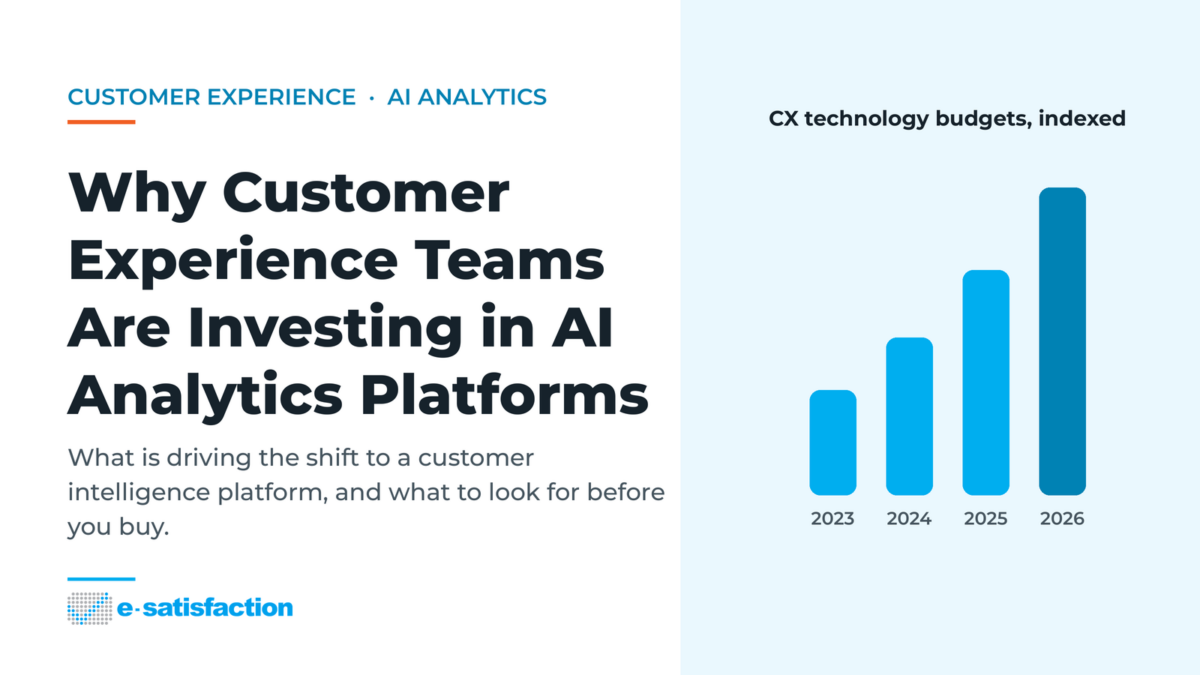
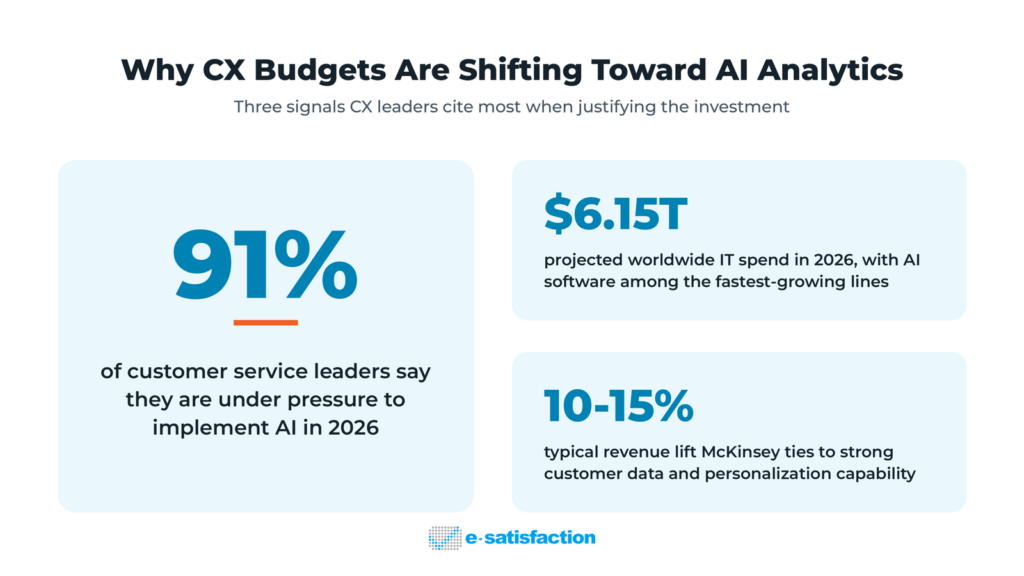
The AI CX trends worth your attention in 2026 are not the flashy demos. They are the quiet operating decisions that decide who keeps customers and who loses them. AI has already moved from a pilot project to the backbone of how brands listen, predict, and respond. The pressure to act is now intense. A recent Gartner survey found that 91% of customer service leaders feel pressure to implement AI in 2026.

So the question has changed. It is no longer whether to use AI. It is where to use it, how fast, and how to keep customer trust while you do. This guide breaks down the trends that matter most, the data behind them, and the moves enterprise leaders should make now.

What Are the Biggest AI CX Trends for 2026?

The biggest AI CX trends for 2026 are agentic AI moving into production, a shift from reactive to proactive service, AI reading 100% of customer feedback, smarter but riskier self-service, and governance becoming part of the experience itself. Together they mark AI’s move from a tool to an operating layer.

These shifts are connected. Agentic systems need clean data to act safely. Proactive service needs feedback analysis to know what to predict. And every gain depends on trust. Treating these as one strategy, not five separate projects, is what separates leaders from laggards. The role of AI in customer experience is no longer optional; it is the engine behind everyday CX.

Why Is Agentic AI the Defining CX Trend for 2026?

Agentic AI is the defining trend because it acts, not just answers. Unlike chatbots that reply with text, AI agents complete tasks end to end: resolving requests, updating records, and taking next steps on their own. In 2026 these systems move from pilots into real production across the enterprise.

The scale of the shift is striking. Gartner predicts that 40% of enterprise apps will include task-specific AI agents by the end of 2026, up from less than 5% in 2025. The longer arc is bigger still. Gartner also forecasts that agentic AI will autonomously resolve 80% of common customer service issues by 2029, cutting operational costs by about 30%.

This is not about removing people. It is about freeing them for the moments that need judgment and empathy. The right AI customer experience solutions keep humans and agents working from the same data, so handoffs feel seamless to the customer.

How Is AI Changing Voice of Customer and Feedback Analysis?

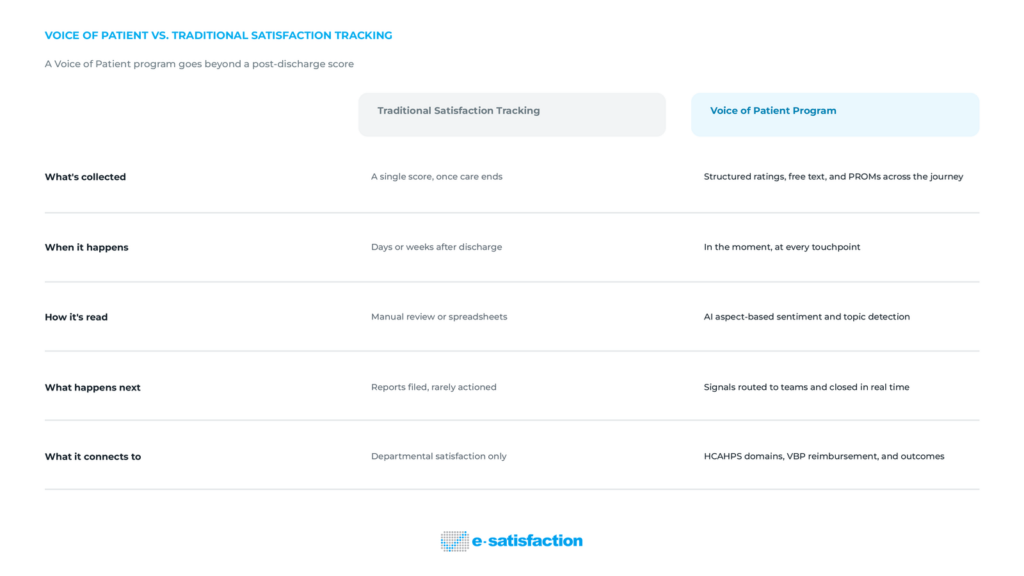
AI is changing Voice of Customer by reading every comment, review, and survey, then grouping them into clear themes with a sentiment score. Instead of skimming a sample, teams see the full picture in minutes. They know which issues hurt loyalty most and why, not just that a score dropped.

This is the leap over old methods. Surveys reach a fraction of customers and miss the reason behind the number. Modern AI-powered Voice of Customer reads open-text feedback, detects emotion, and surfaces the root cause. Pairing customer feedback analytics with AI sentiment analysis turns scattered signals into a ranked action list. And conversational analytics extends that listening into chats and calls, where customers say what they really mean.

From Automation to Anticipation

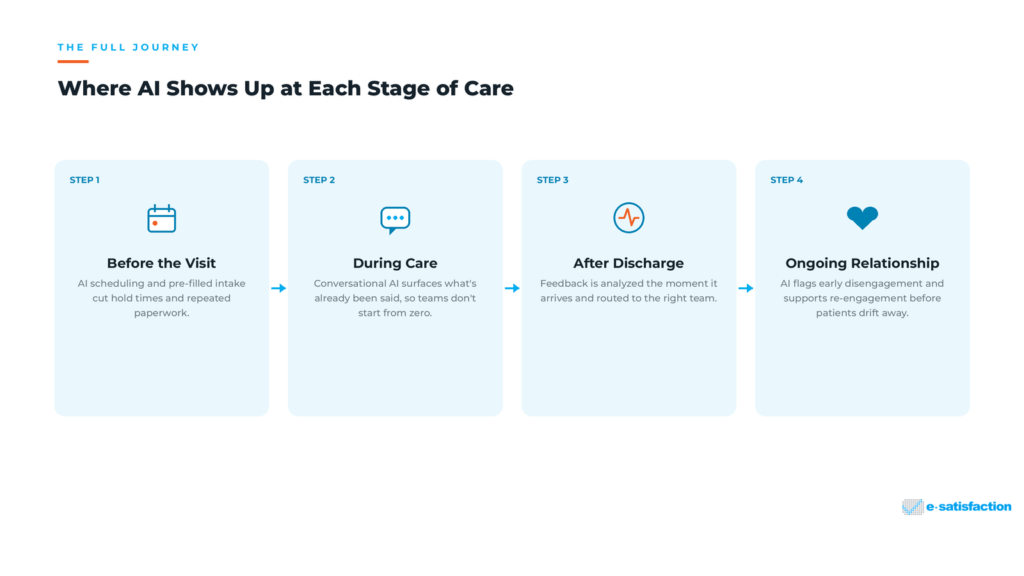
The clearest direction of travel is from reacting to anticipating. Analysts describe CX moving from automation toward anticipation, where systems act before a customer even asks. A delayed order triggers a heads-up. A frustrated tone routes the case to a human. A churn signal sparks an offer while there is still time.

The payoff is both financial and human. McKinsey reports that strong personalization can lift revenue by 5% to 15%, and that 71% of consumers now expect tailored interactions. Doing that by hand across thousands of customers is impossible. AI makes it routine and improves with each interaction.

If this sounds like where you want to be, see how brands act on real customer feedback instead of guessing.

Will AI Self-Service Help or Hurt CX in 2026?

It will do both, depending on discipline. Forrester predicts that one in four brands will see a 10% or greater rise in successful simple self-service by the end of 2026, driven by more trusted AI. That is real upside for routine, low-stakes requests.

The risk is just as real. Forrester also warns that a third of companies will harm experiences with frustrating AI self-service by deploying it too soon, in contexts where it is unlikely to succeed. The lesson is simple. Automate the simple and repetitive. Route the complex and emotional to a person, fast. Overautomation does not save money; it costs you customers.

How Enterprise Leaders Can Turn AI CX Trends Into Action

Knowing the AI CX trends is the easy part. Acting on them is where most programs stall. Four moves separate the leaders.

First, fix the data foundation before scaling agents. AI acts only as well as the data it reads. Second, start with high-value, well-defined use cases where the ROI is clear, then expand. Third, build governance in from day one, since analysts now treat AI oversight as a compliance layer, not an afterthought. Fourth, keep clear handoffs to people for sensitive moments.

The broader future of customer experience rewards brands that pair speed with trust. The economic mood matters too. CX Dive notes that customers in 2026 are shopping with a recessionary mindset and reward brands that prove value. AI that anticipates needs and respects trust is how you do that at scale.

The Bottom Line

Three things are clear for 2026. Agentic AI is moving from demos to daily operations, so brands preparing now will pull ahead. AI is reading all of your feedback, and the advantage goes to teams that act fastest. And trust is the limit, since premature automation erodes the loyalty you are building.

The leaders are not waiting for AI to be perfect. They use it to listen better, predict sooner, and act faster, with people in the loop where it counts.

Ready to stop guessing and start acting on real customer feedback? Request a demo and see how it works for your brand.


Frequently Asked Questions

What are the top AI CX trends for 2026?

The top AI CX trends for 2026 are agentic AI moving into production, a shift from reactive to proactive service, AI-powered analysis of all customer feedback, smarter self-service, and governance becoming part of the experience. They reflect AI’s move from a single tool to a core operating layer for CX.

What is agentic AI in customer experience?

Agentic AI is software that acts on its own to complete tasks, not just reply with text. In CX it can resolve a request, update systems, and take the next step without a human. Gartner expects agentic AI to autonomously resolve 80% of common service issues by 2029.

Will AI replace customer service teams in 2026?

No. In 2026 AI handles routine, high-volume tasks so people can focus on complex and emotional moments. Forrester warns that automating sensitive issues too soon frustrates customers. The strongest results come from clear handoffs between AI and human agents.

How does AI improve Voice of Customer programs?

AI reads 100% of feedback across surveys, reviews, chats, and calls, then groups it into themes with sentiment scores. This shows the root cause behind a score, not just the number. Teams see which issues hurt loyalty most and can route each insight to the team that can fix it.

What should enterprise leaders prioritize with AI in CX?

Leaders should fix their data foundation first, start with high-value use cases that have clear ROI, build governance in from the start, and keep human handoffs for sensitive moments. McKinsey research shows strong personalization can lift revenue while reducing acquisition costs when done well.

How AI Sentiment Analysis Detects Customer Frustration Before It Escalates

Most frustrated customers never complain. They just leave. AI sentiment analysis reads tone, word choice, and behavior across calls, chats, and surveys to catch rising frustration in real time, so your team can step in before a customer escalates or churns. This guide covers how it spots frustration, why timing is everything, what the technology can and can’t do, and how to put it to work.


Here’s the uncomfortable truth about angry customers: the loud ones are the lucky ones. For every customer who complains, roughly 25 more stay silent and simply leave. AI sentiment analysis exists to close that gap. It listens to what customers actually feel, not just what they bother to say.

Frustration rarely arrives as a formal complaint. It shows up as a clipped reply, a second email about the same issue, a tone that hardens halfway through a call. People notice these signals. Software usually doesn’t. By the time frustration reaches a dashboard, the customer has often already decided to go.

This post explains how AI reads those early signals, why acting in the moment matters more than measuring after the fact, and how to turn sentiment into action.

What Is AI Sentiment Analysis?

AI sentiment analysis is technology that reads customer interactions and labels the emotion behind them, usually as positive, negative, or neutral. It uses natural language processing (NLP), the field that helps computers understand human language, to score tone across text and speech at a scale no human team could match.

Older tools just matched keywords. Flag the word “angry,” call it negative. Modern models go deeper. They read tone, context, and intent, which lets them catch sarcasm, mixed feelings, and the soft complaints that keyword lists miss.

The same approach powers AI-powered Voice of Customer programs, where feedback from every channel gets analyzed together instead of one survey at a time.

How Does AI Detect Customer Frustration Before It Escalates?

AI detects frustration by reading patterns that signal emotion, not just words. In text, it tracks negative phrasing, repetition, and shifts in tone. In voice, it picks up faster speech, rising volume, and tense pauses. Together these flag a customer heading toward a breaking point.

Think about how frustration actually sounds. A customer repeats the same point three ways because they don’t feel heard. Their sentences get shorter. The phrase “this is the third time I’ve asked” shows up. Each signal is small. Stacked together, they form a clear warning.

This is what predictive analysis does well: it spots trouble early enough to act. As one industry analysis put it, AI can help teams put out fires before they ignite. Pairing sentiment scores with customer feedback analytics turns scattered signals into one readable trend.

Why Most Frustrated Customers Never Tell You

This is the problem sentiment analysis was built to solve. Silent frustration is expensive, and it hides in plain sight.

The numbers are stark. Gartner’s 2024 CX research found that 43% of customers who churn never raise a single concern first. Worse, most companies discover the dissatisfaction only after the customer has already gone. Your dashboards stay green while the relationship quietly ends.

Loyalty metrics often fade before the exit. Bain & Company research shows NPS scores tend to slip months before a customer actually leaves. That slow decline is a signal, if you can see it in time.

The opportunity is just as clear. Microsoft found 77% of customers view a brand more favorably when it asks for and acts on feedback. Listening early isn’t only damage control. It builds loyalty.

Real-Time vs. After-the-Fact: Why Timing Decides Everything

Real-time AI sentiment analysis tells you how a customer feels right now. Post-interaction surveys tell you how they felt after it’s over. For frustration, that gap is the difference between saving a customer and reading their goodbye.

A survey sent the next morning is a report card. Useful for trends, useless for rescue. Real-time analysis flags the moment sentiment drops, so a supervisor can step in, a case can route to a senior agent, or a recovery offer can go out while it still matters.

This shift from reactive to proactive pays off. Forrester reports proactive service strategies can cut churn by around 15%.McKinsey ties real-time voice-of-customer metrics directly to sustained revenue growth.

If you only learn how customers feel after they’ve gone quiet, the fix is to listen while it still counts. See how brands turn that feedback into action before it becomes a lost account.

What AI Sentiment Analysis Can (and Can’t) Do

AI sentiment analysis is powerful, but it isn’t magic. It reads emotion at scale, flags risk fast, and spots patterns humans miss. It still struggles with sarcasm, cultural nuance, and mixed messages where praise and complaint sit side by side.

A review that says “love the product, shame about the support” carries two emotions at once. Good models catch both. Weaker ones average them into a misleading “neutral.” Voice adds another layer, since tone can clarify the meaning of the same words, or flip it completely.

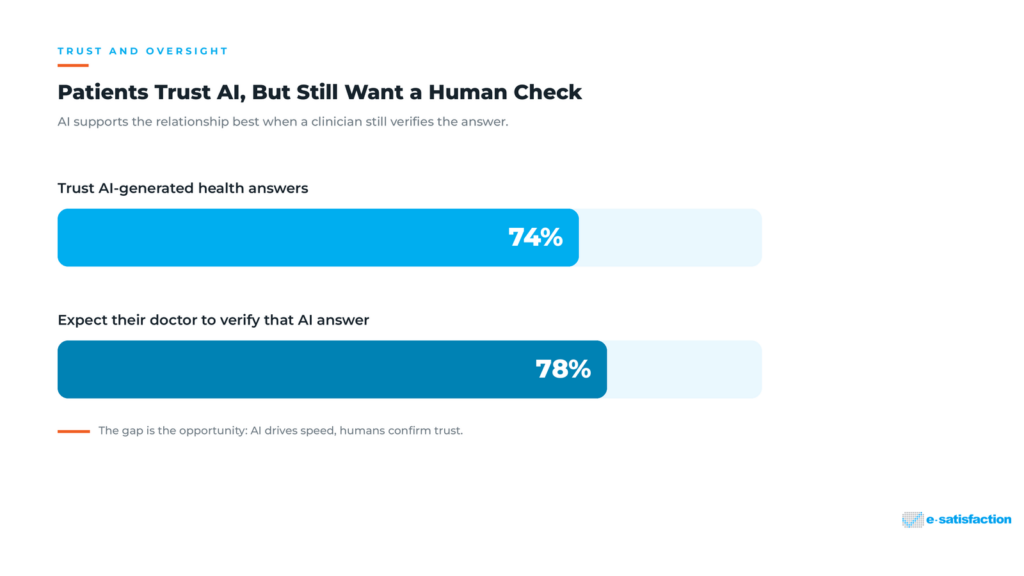
That’s why the smartest setups keep humans in the loop. AI surfaces the signal; people make the judgment call. This balance is a big reason AI is becoming essential for modern customer experience rather than a replacement for the team running it.

How to Put AI Sentiment Analysis to Work

Start small and specific. Pick one high-stakes journey where emotion drives revenue, like cancellations, delivery issues, or repeat support tickets. Apply sentiment analysis there, set clear escalation triggers, and close the loop fast. Prove value in one place, then expand.

A few practical moves make it work:

  • Combine sentiment with context. A negative score from a loyal, high-value customer deserves faster action than the same score from a one-time buyer.
  • Set triggers, not just dashboards. Decide what happens automatically when sentiment drops: an alert, a route, an offer.
  • Close the loop. Follow up so the customer knows their feedback led to action.

Retailers already do this well. See how one retailer acted on customer feedback to fix friction and protect loyalty. A connected AI customer experience solution ties these signals into one place so nothing slips through.

Conclusion

Frustration is the most valuable feedback you’ll never be asked for. AI sentiment analysis makes it visible, in time to do something about it.

Three things to remember. First, silence isn’t satisfaction; most unhappy customers leave without a word. Second, timing wins; real-time beats after-the-fact every time. Third, AI works best with humans, not instead of them.

The brands that grow are the ones that hear frustration early and act on it fast. Ready to catch customer frustration before it costs you the relationship? Request a demo and see real-time sentiment in action.


Frequently Asked Questions

What is AI sentiment analysis in customer service?

It’s technology that reads customer messages, calls, and survey responses, then labels the emotion behind them as positive, negative, or neutral. It uses natural language processing to do this at scale, helping teams spot unhappy customers they would otherwise miss.

How accurate is AI sentiment analysis?

Accuracy is high for clear positive or negative language and improves as models train on your data. It is weaker with sarcasm, slang, and mixed emotions. That’s why most teams use AI to flag risk, then let a human confirm before acting on sensitive cases.

Can AI detect frustration in text, not just voice?

Yes. In text, AI reads negative phrasing, repetition, urgency, and shifts in tone across chats, emails, reviews, and surveys. Voice adds extra signals like pace and volume, but text alone reveals plenty of early frustration.

What’s the difference between sentiment analysis and emotion detection?

Sentiment analysis sorts feedback into positive, negative, or neutral. Emotion detection goes further and names the specific feeling, such as anger, confusion, or delight. Many modern tools combine both for a fuller picture of how a customer feels.

How does AI sentiment analysis reduce churn?

It catches frustration in real time, before the customer gives up and leaves quietly. Early signals let teams step in with a fix, a faster route, or a recovery offer. Since most unhappy customers never complain, this early warning is often the only chance to save the relationship.