The 3 steps that will transform customer experience based on moments of truth

An important goal of every company that want to be customer centric should be to manage every moment of truth with their customers and do what it takes to create an above average moment of magic experience. Do you know the 3 steps to accomplish it?

In this article we discussed about moments of truth and how they formulate and affect the overall customer experience. A really important goal of every company that want to be customer centric should be to manage every moment of truth with their customers and do what it takes to create an above average moment of magic experience.

By leveraging these moments of truth, namely your customers activities and interactions with your brand, a specific process should be designed which will include 3 concepts:

  • Optimization: Find all the different moments in the buying or service process and use them to delight and engage customers.
  • Transformation: Find the moments that could be optimized in order to change and provide a better interaction model throughout the entire customer journey.
  • Innovation: Always look outside the current buying or service processes to identify other moments and orchestrate those into an industry-changing scenario which will provide you with a strong competitive advantage in the world of customer centricity.

Regardless of whether you are an online business or an offline store, B2C or B2B, there are lots of opportunities to deliver a positive experience to your customer which will give them the confidence that they made the right decision to do business with you.

Think out of the box and put yourself in customer’s shoes. Think like a consumer! Ask yourself:

  • What are you expecting from a business? And when are you expecting it?
  • Which actions you would find impressive?
  • Why you will decide to buy again from a specific business?

The most important thing in this process is, to make consumers feel unique and treat them in a personalized way. Speak their language, respond to their requests and ask for their help to improve every aspect of your business. People love the feeling that they are needed and valued! Therefore, when you ask them to take an action they will be willing to help.

Keep in mind, that you should always focus on humans and not on clicks. Talk to your customers in a personalized way and show them that they are not part of a whole, but they are unique to your business. Rely on human interactions and you won’t regret it!

So, what are you waiting for? Start by creating some amazing personalized campaigns according to your customer’s needs and feedback and lift your customer experience to its maximum.

Want to know more about the moments of truth with your customer?

Read the following articles:
4 must-know moments of truth that will close the loyalty loop

There is a starting point in the process of improving customer experience and it is called “moments of truth”. Do you know the exact moments of truth with your customers?

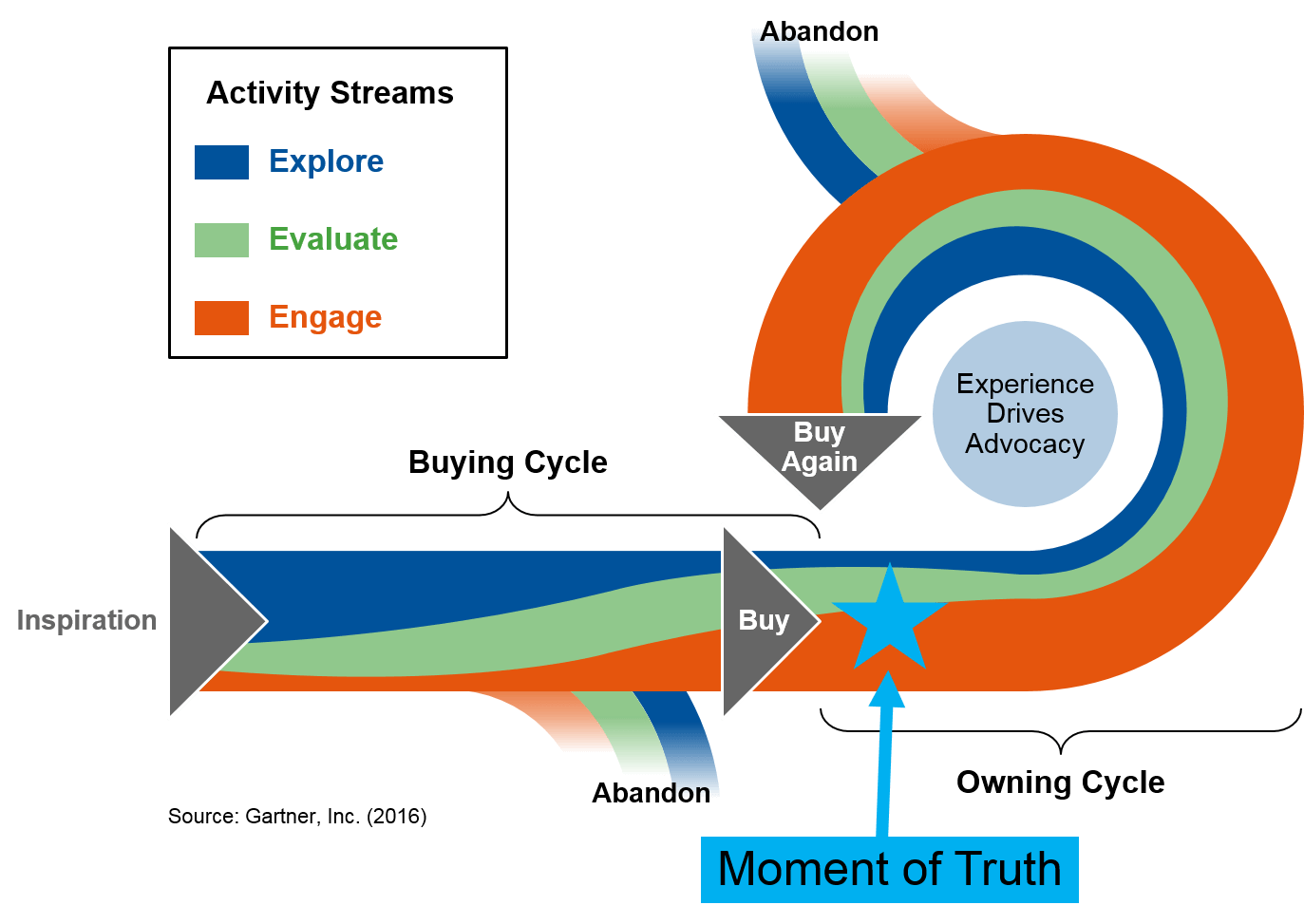
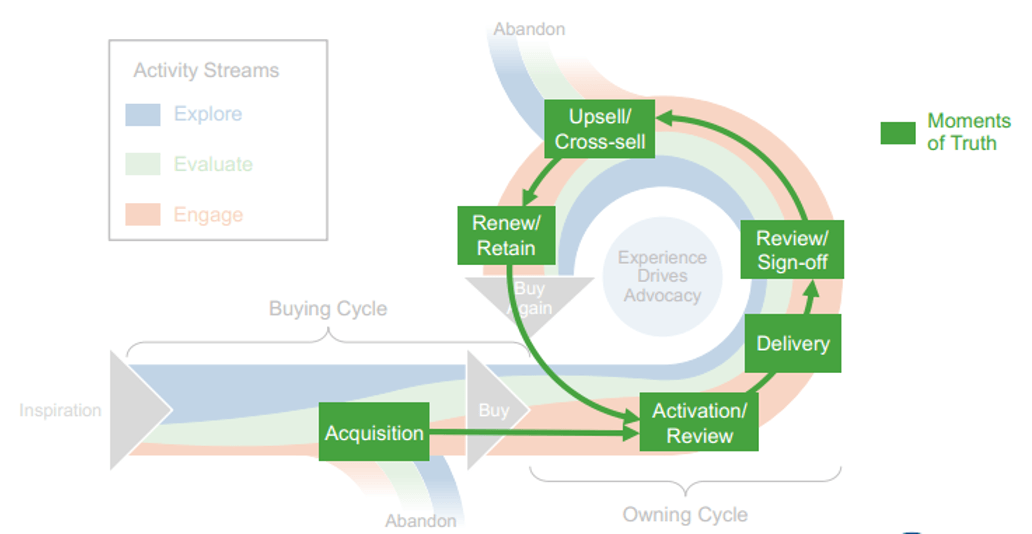
There is a starting point in the process of improving the customer experience of customers and it is called “moments of truth”. In Forbes, Carlzon defined the Moment of Truth as every point in time a customer interacts with any aspect of the company and therefore, an impression is formed, which can be mapped in the entire lifecycle of a consumer, from the moment of acquisition to eternity, like it is displayed by Gartner in the following image.

moments_of_truth_in_lifecycle

Examples of such moments of truth between a brand or a store and a consumer are the following:

  • The consumer buys a product in a store, known as ZMOT (Zero Moment of Truth,  coined by Google in 2011)
  • The brand presents the product to the consumer, either in-store or in the online world, while a user want to cover a relative need (defined as Less than ZMOT, defined by Eventricity LTD in 2014)
  • The consumer experiences the product’s quality while the product’s first use
  • The brand gets feedback from the consumer, either by asking directly or by reading a review of the product, written by the consumer

As mentioned in this post, by working on taking the most out of these moments of truth, you can achieve amazing impact on customer engagement and get profits instead of revenues.

For example, a gap in the customer experience your company provides can be found between the time a customer clicks on the buy button and when their order is delivered. During shipping time, the company loses control over the process, other than keeping the customer informed. However, there is nothing to control the customer’s emotions during that time. Maybe the gap is only 2 to 4 days, according to your shipping policy. What can you do to reinforce that the customer made the right decision to buy your product and do business with you?

Here is the opportunity you were searching for! The next time you will be planning the content of your email campaign, or the next time that you will be sending an email to a loyal and happy customer, think it not as a communication instant, but as a moment between them and your brand and think of something to make it special!

Read more here on what are the steps that will transform  customer experience, by working on moments of truth!

Want to know more about the moments of truth with your customer?

Read the following articles:
3 reasons why you have to be thinking about customer engagement and not revenues

Life is full of moments and the journey of every single customer in every single service is full of micro and mega moments, experienced by both consumers and brands. But when exactly this journey begins?

Life is full of moments and the journey of every single customer in every single service is full of micro and mega moments, experienced by both consumers and brands. If we focus on customer experience, these moments are placed in context to form what is called the “Customer Experience Continuum” that has been perfectly visualized by Gartner in the following image.

customer_experience_continuum

The most interesting thing about this relatively new visualization of the customer’s journey is that it begins with the “Buy” action and it does not end there. And this does make sense. When a consumer buys for the first time from your store or uses your product for the first time, it is not the end of your relationship but its beginning.

Why? The response is quite straightforward if you think it for a while:

  • You want to stay in touch with this consumer (and not pay to acquire a new one)
  • You want your consumer to speak about you to friends and promote you (without having to do or spend anything)
  • You want to see this consumer turning back to you the next time they want to cover a similar or related need

In the game of building long term relationships with your customers, the focus is not on how much does it cost to get new customers but how can I keep my customer engaged, active and closely related to me and my brand. The first step in this game is to start thinking what happens after a customer buys from you and this is the first moment of truth that you have with your customers. The next step is to map the moments of truth you have with your customers and start working on them!


You got 15 minutes? Let our team show you
how we can help your business grow!

    Request a 15min Demo


    BOOK A FREE DEMO NOW


    Want to know more about the moments of truth with your customer?

    Read the following articles:
    The time to boost mobile communications has come!

    Today, users all over the world are using messaging apps not only to chat with friends but also to connect with brands. It is therefore, evident that companies should start communicating with their audience in messaging apps as soon as possible. But why use Viber’s app instead of just sending SMS?

    Over 2.1 billion people throughout the world are using messaging platforms like Facebook Messenger, Viber and Whatsapp. During the past years the most known messaging apps have taken huge steps further, by offering lots of functionality that connect users to brands and enterprises, such as chatbots and public channels. Today, users all over the world are using messaging apps not only to chat with friends but also to connect with brands, browse different businesses that will cover their needs and watch/read interesting content. (Source: Businessinsider)

    All these tools, combined with the fact that users are far more engaged to messaging apps, compared to their engagement to e-mail (a recent study found that the open rate of mobile messages is 98% versus 22% for e-mail, and 90% of people read a mobile message within 3 minutes from receiving it) makes it evident that companies should start communicating with their targeted audience in messaging apps as soon as possible.

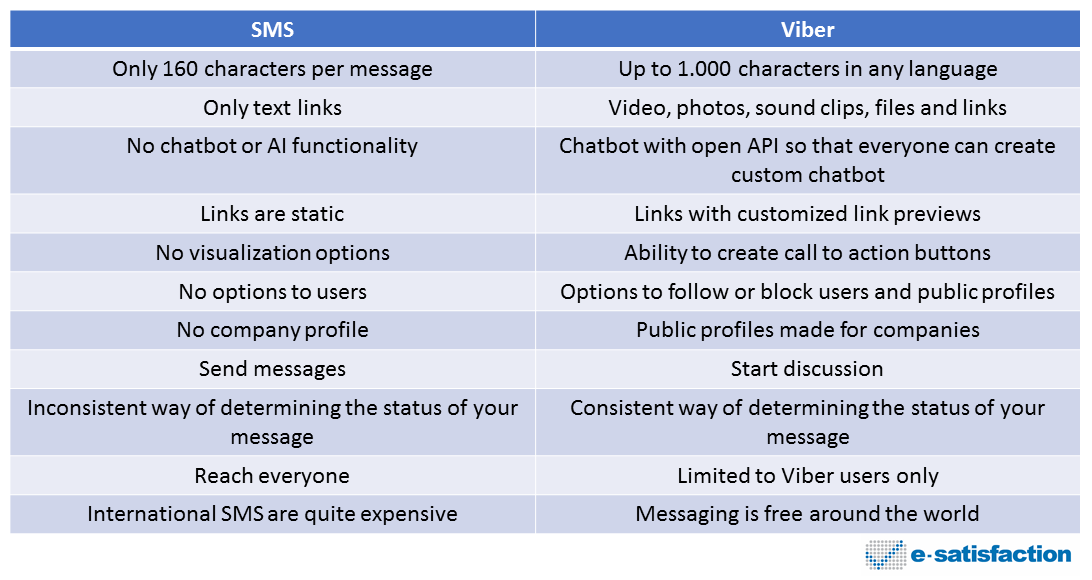
    Djamel Agaoua, Viber’s CEO, stated that “messaging is just starting its journey on mobile devices” and it looks that by comparing Viber or any other messaging platform with SMS, anyone will classify SMS as outdated. A quick comparison is shown in the following image:

    sms vs viberIn a nutshell, when compared to SMS and e-mail, the new messaging apps, like Viber are:

    • Cost efficient
    • Rich in content capabilities
    • Interactive and smart

    These are the reasons that made consumer preferences shift towards mobile messaging. So businesses should follow by moving down this road, where they interact with users not by broadcasting messages, but by starting interesting discussions in a rich and interactive environment while at the same time customer engagement with a brand will be increased.

    e-satisfaction.com faces the challenge of omnichannel experience

    Omnichannel is about continuity of the experience you provide to your customers. Our mission in e-satisfaction.com is to make business customer centric, so we could not stand still and not work to provide a solution to consistently track customer experience across channels and make it a part of an interactive marketing engine.

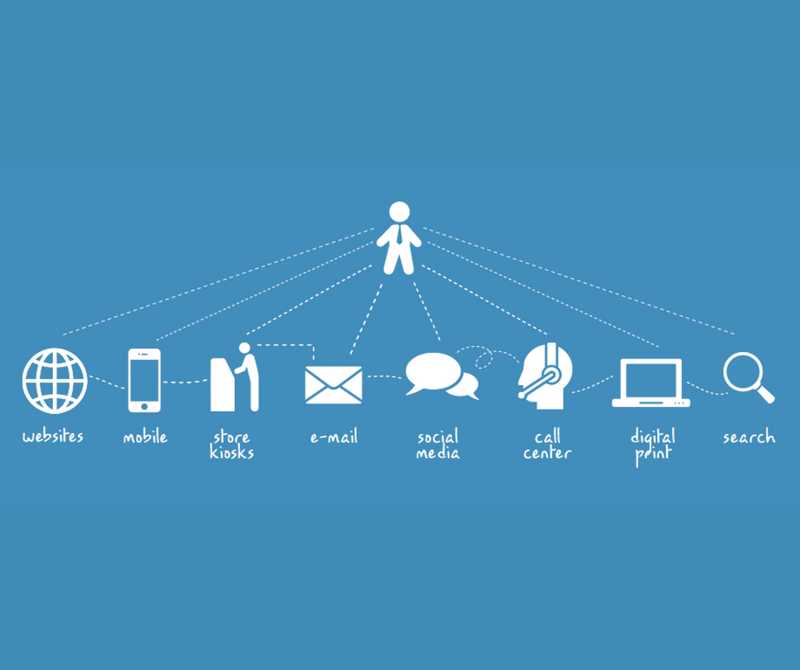
    Omnichannel is about continuity of the experience you provide to your customers. Tracking and measuring this experience is a hard thing to do.  Multiple channels and multiple moments of truth that consumers experience when dealing with us makes it hard to implement and complex to manage.

    Our mission in e-satisfaction.com is to make business customer centric, so we could not stand still and not work to provide a solution to consistently track customer experience across channels and more than that, make it a part of an interactive marketing engine that starts with customer feedback and reaches to personalized marketing, looking each experience of each customer at a time.

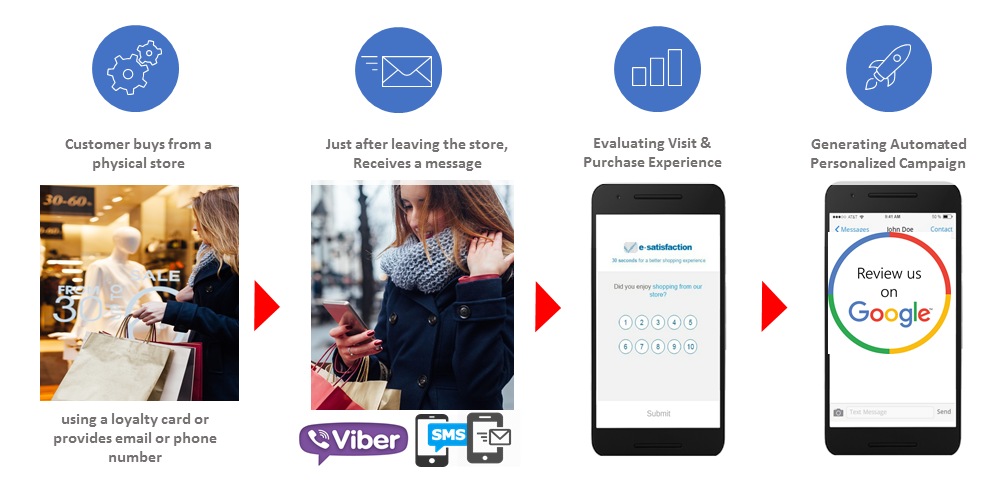
    By using omnichannel characteristics of e-satisfaction.com businesses can constantly monitor in-store customer experience, based on feedback provided by customers, right after they completed their shopping experience, i.e. 10 minutes after leaving the store. With e-satisfaction.com for offline stores feedback is continuous (after every purchase), credible (collected only by customers, not visitors) and actionable (through triggering humanized marketing automations like refer a friend or review on Google places). This is the first time an authentic retail solution has the potential to provide ongoing customer feedback, combined with mechanisms of customer recovery and customer retention focusing always on customer’s experience.

    How it works

    Once a customer has completed an offline transaction (i.e. buy at store, or phone order), an e-mail, SMS or Viber message is sent asking for feedback about this specific experience. Customer clicks a one-time link made just for this purchase and is led to an easy to fill, short questionnaire that is filled only with taps and clicks in less than 30’’. Once the customer finishes and submits the questionnaire, automated algorithms are triggered to “understand” this feedback, and activates a personalized marketing automation, based on the sentiment of the response (i.e. If the customer is a referrer, he is asked to leave a review in Google Places). This way, the feedback loop is automatically closing, without you having to leave your office (at least not for happy customers), to take action on customer feedback!

    omnichannel approach

    An omnichannel experience is by itself a Unique Selling Point for every Business as it has the following advantages:

    • Provide a personalized and consistent customer experience
    • Provide a more accessible, dynamic and continuous customer journey
    • Brands become available to their customers at anytime and anywhere
    • Consumers can easily decide in what degree the overall experience matched their expectations

    Conclusion

    While measuring an omnichannel customer experience many different data sources are brought together. Think of it like a jigsaw puzzle. You will have the opportunity to evaluate the customer experience your Business provides in every channel you interact with them in a consistent and complementary manner. Brands who can best interpret omnichannel data and understand all customers, are the winners in today’s competitive market.

    Omnichannel is not the future, it is now! Every business needs to ask themselves whether they will invest in fixing the past or in building a strong competitive advantage now and for the future having always as a reference the value of each customer.

    Want to know more about the omnichannel experience?

    Read the following interesting articles: