Why an omnichannel experience is important for you?

Omnichannel is the new buzzword in the marketing as well as business world. But what exactly is omnichannel? How it is defined and why it is important for customer experience?

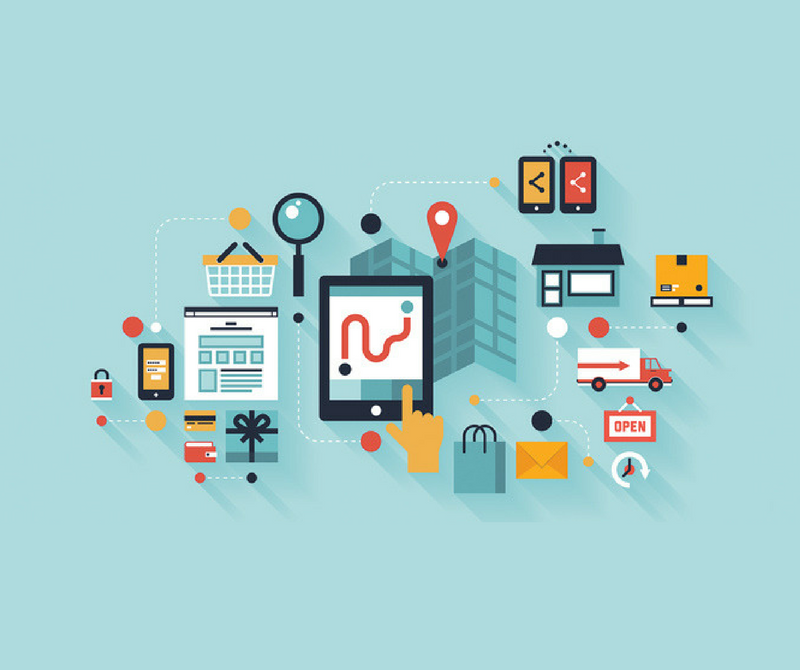
Omnichannel shopping experience is the latest buzzword in retail and there are many ways to define it:

  • Hubspot defines it as: “the ability to deliver a seamless and consistent experience across channels, while factoring in the different devices that consumers are using to interact with your business”.
  • Google defines it as: “ensuring [retailer] marketing strategies are geared toward enabling customers to convert on any channel”.
  • Forbes defines it as: “The ability of your customer to be in contact with your company via a variety of channels and to essentially be able to pick up where they left off on one channel and continue the conversation on another.”

In a nutshell, omnichannel customer experience is about removing barriers and making all different channels transparent for the consumer, providing consistent experience and freedom in all possible touchpoints. This goes way beyond the “shop online and deliver offline” and of course it does not have much to do with “I use a mobile app to show offers to my customers”.

To make it more clear, imagine Maria, a millennial walking down a busy street full of stores. Her phone buzzes, inviting her into a nearby store to enjoy her favorite ice cream flavor she’s enjoyed there before. Having just eaten breakfast (the most important meals of the day), she keeps walking, but mentally files the Viber message for later (after sending it to her best friend saying “these guys are perfect!”). Half a block later, a fashion store catches her eye and she steps in. As she enters the store, her phone buzzes again with a coupon for 20% off for the next two hours on dresses. Maria likes the offer and works with a salesperson to find the right dress but the store doesn’t have it in her size. No worries: The salesperson locates it in another store of the chain and offers to drop-ship it to her house. Maria feels like she really got a bargain and asks for one more dress for Anna, her best friend, to discover that other location only has one. The salesperson locates one dress in that store and one in a store in another city, coordinates the drop-shipping for both, and gives her the BOGO (buy one, get one 50%) discount she deserves (better, after all, than the 20% off that tempted her initially), even though both dresses come from different stores, and neither from the store in which she’s standing. That afternoon, back at home, Maria finds that three shoe boxes from her favorite shoe store have arrived. Two of the pairs fit her perfectly; the third is too wide. She finds the shoes in a better-fitting size and orders them for in-store pickup the next morning, as the store is close to her friends house that she will visit. The pickup is ready when she comes in, and with the proximity functionality on her phone, the store’s employees are able to recognize her arrival, stop folding clothes and other low-value tasks, and hurry to meet her at the front door where they hand her the package and accept her exchange, wishing her well with an e-coupon to return.

Why omnichannel is important for customer experience?

  • Companies with omnichannel customer engagement strategies retain on average 89% of their customers, compared to 33% for companies with weak omnichannel customer engagement.
  • 72% of digital shoppers consider in-store experience as the most important channel when making a purchase.
  • Shoppers who buy from a business both in-store and online have a 30% higher lifetime value than those who shop using only one channel.
  • 47% of digital shoppers claim that consistent personalized shopping experience from one channel to next is one of the top omnichannel retail capabilities.

Sources: Business2Community & IDC

Whether the purchase experience starts online or offline consumers have a plethora of options as to how they may want to move through their buyer journey. As a result, consumers are found to engage with a brand in several different channels and they are expecting a consistent, complementary and aligned customer experience in every channel they choose to start, continue, stop or restart their journey.

The example provided above maybe look challenging to be implemented, but this is what customers want. Start interacting with you anywhere they want, move across channels anyway they feel and finish their interactions where and when they want to. You can control this process not just by enabling them to move, but by guiding them through all different channels, making this interaction more frequent and knowing them better every day, to provide them better experience.

Are you still wondering why you should focus your strategic plan in building a personalized omnichannel experience? Read more here and you will be totally convinced!

Want to know more about the omnichannel experience?

Read the following interesting articles:
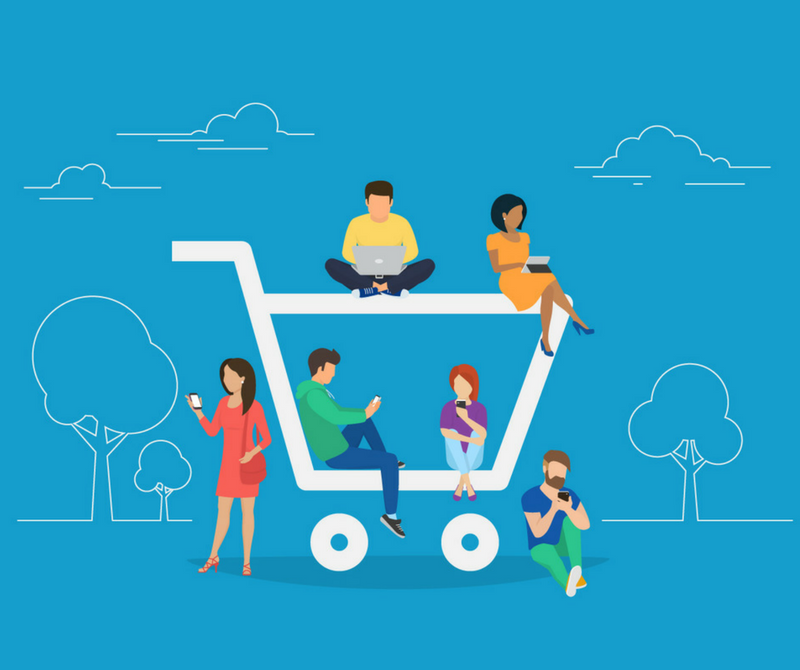
Omnichannel vs Multimodal Customer Experience

It is a real challenge for businesses to provide a continuous experience. However, in this effort many companies offer a multimodal customer experience. Do you know the difference between mutlimodal and omnichannel customer experience?

Consumers no longer turn  to local businesses to meet their needs. They have tons of options and they can choose to shop in-store or through desktop, laptop, smartphone or tablet. More options mean more opportunities for a brand to connect and engage with consumers, but it also means more complexity. Keeping interactions consistent across multiple channels and ensuring a continuous experience for consumers is the new challenge that every business should confront.

It is a real challenge for businesses to provide this continuous experience and in this effort, a lot of businesses miss the big picture, by offering multimodal customer experience and not omnichannel customer experience.

What’s the difference between multimodal and omnichannel customer experience?

Multimodal Customer Experience

The multimodal or multi-channel customer experience is what most businesses invest in today. They have a website, blog, Facebook, Twitter, Instagram and other channels like price comparison websites, Amazon or eBay.

All of these platforms are used to engage and connect with customers, but what about consistency? Each channel has its own characteristics, so if these channels are designed and built separately, the consumers do not find it easy to move through them, making it hard or unpleasant for them when jumping from one channel to the next.

Omnichannel Customer Experience

On the other hand, an omnichannel customer experience accounts for each platform and device a customer will use to interact with the company. Consumer data are used to align the company’s message, goals, objectives and design across each channel and device, within the scope of providing a consistent and aligned customer experience.

According to Forbes, an omnichannel customer experience signify the ability of customers to immediately contact with a company through a variety of channels and to be able to pick up from where they left off on one channel and continue their purchase on another.

An omnichannel experience involves a holistic view of all customer interactions, across all channels and over time, equipping customer support departments with every possible detail about a customer aiming to provide the most consistent customer experience. Customer support agents are more efficient which in turn leads to increased customer satisfaction and loyalty.

Omnichannel can help your company convert first-time customers to long-term brand evangelists because of the wealth of information available to the customer support agent and consequently, interactions will be made more personal than ever before.

To sum up, multimodal experience grants the basic cross-channel functionality required for easy customer interactions and engagements, but omnichannel takes customer experience to a higher level and applies the multimodal process in the framework of a long-term customer journey and a long-term relationship between a brand and its customers.

Want to know more about the omnichannel experience?

Read the following interesting articles:

Israel 2.0: Building a startup network in 5 days

The DLD Innovation festival is over and it’s our job to share the knowledge and expertise that we got from 5 days of exposure to Israel’s community and all the networking that we had the opportunity to create in just a few days.

Author: I. Papikas, Senior Product Manager, e-satisfaction.com

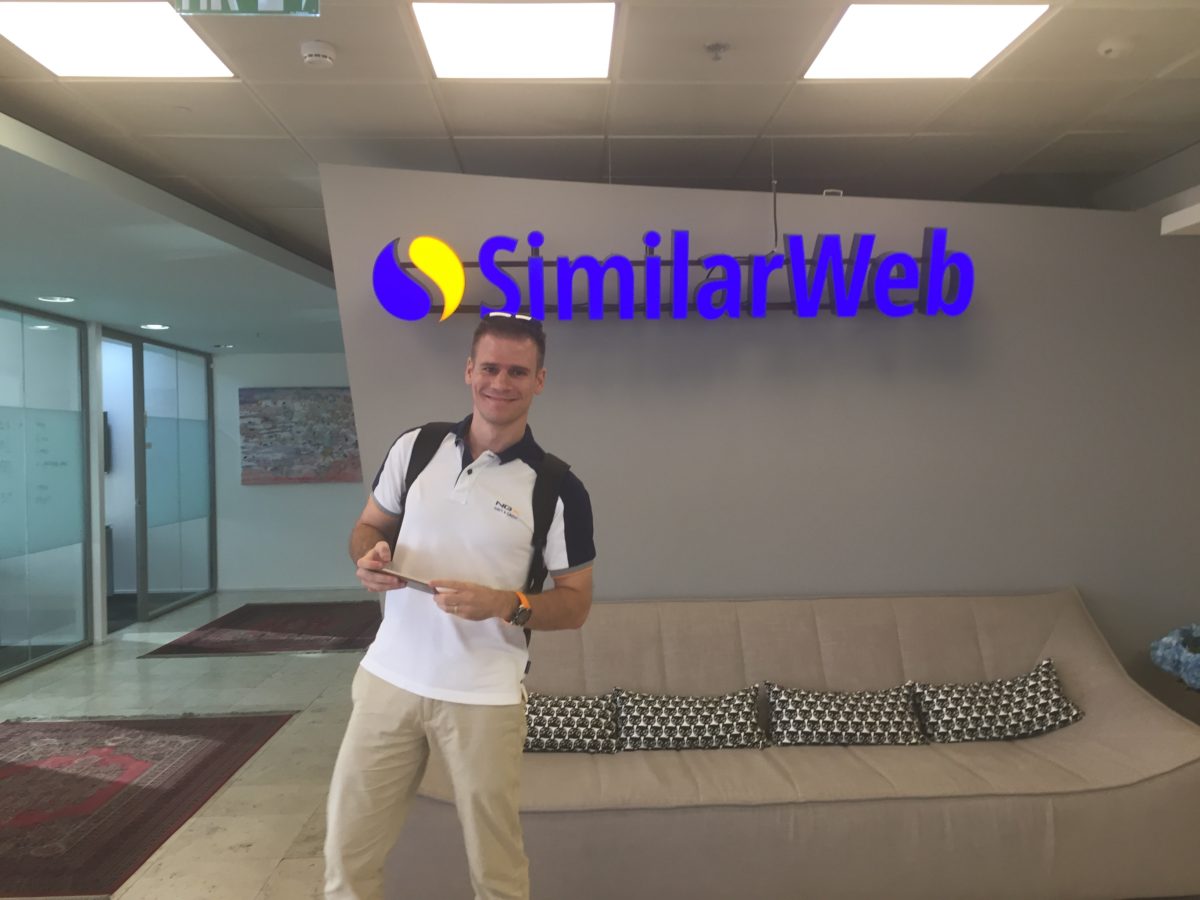
In my previous blog post we had the opportunity to get to know the Israeli community and culture through a short visit to Tel Aviv’s well known companies like SimilarWeb and a short talk with IBM’s partners responsible for the accelerator network on site.

The DLD Innovation festival is over and it’s a great moment to share the knowledge and expertise that we got from 5 days of exposure to Israel’s community and all the network that we had the opportunity to create in just a few days.

Overall

I couldn’t continue writing this article without mentioning once again the term Firgun, genuine, unselfish delight or pride in the accomplishment of other people. After just 5 days in Tel Aviv, I still feel it strong in my head, the feeling that it’s awesome to help others without a self gain and contribute to any community, either tech or business, with your own experience and expertise.

During our time in Tel Aviv, we visited a lot of companies and a lot of accelerator programs and funds. After each visit, I was more and more confident about the Israeli culture and network, including the reachability of investors and funds anywhere in the city.

One of the strongest feelings that I had from my visit is about how connected eceryone is in the Israeli startup community. On every presentation and talk, everyone started with two points:

  • How big is the Israeli ecosystem in numbers (startups and entrepreneurs)
  • How to connect with anyone in the city

Everything and everyone is connected and transparent so that individuals but also companies can work together towards common or similar goals. Knowing your ecosystem is not only networking but is power that if used right can help you go faster and further, and avoid unnecessary obstacles with no delay.

Jerusalem

Jerusalem

Hearing Jerusalem, I had in mind an ancient city where there is too much religion and conflicts over religion. WRONG! Jerusalem is much more active than Tel Aviv, using its small size to allow all entrepreneurs, companies and funds to operate together and connect with people all over the world.

We had the opportunity to visit Jerusalem’s Made In Jerusalem, a non-profit organization that works close with Boston’s Mass Challenge organization in helping startups grow through their accelerator program. Made In Jerusalem showed us some of their most promising startups and shared with us their secret ingredient of success.

In addition, we had the opportunity to meet with OurCrowd, a special crowdfunding platform that allows investors to support startups using equity crowdfunding. They provide services and funds to startups through their platform, startups can create their profiles and connect with investors. The best thing about companies like OurCrowd is the fact that they are very easy to approach and they make funding much more easier.

DLD Innovation Festival

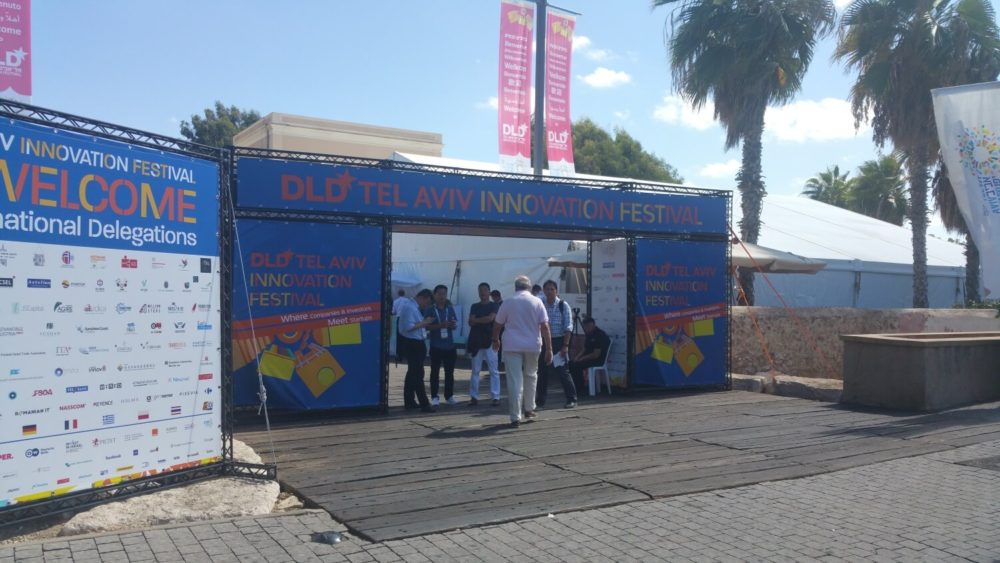
Startups? Yes. Investors? Must. Amazing Talks? Yes. Networking? Absolutely! That’s how I could somehow describe DLD Innovation Festival as we experienced it during Day 4, and you would still get only a glimpse of it.

As part of the Greek Delegation, invited by the Embassy of Israel in Athens, I could wander all round DLD and network with so many people with different ideas, networks and feelings. I had the opportunity to meet and network with accelerator programs from Italy, Israel (obviously) and partners from Romania, China and a few other countries.

DLD gave us the opportunity to be part of amazing talks given by people with strong profiles like Yossi Vardi, Chairman of DLD, Chris Fabian, Head of Innovation in Unicef, Keren Fanan, Global Head of Growth in Gett, Werner Vogels, CTO of Amazon, Jeroen Tas, Chief Innovation Strategy Officer in Philips and Pierre Louette, General Secretary in Orange, just to name a few.

Conclusion

Would I go again? Absolutely! We are more than ready to create partnerships and technology transfer between Greek and Israeli companies. However, I believe that the goal of all this is to be able to nurture Greek culture to become a very big and rich ecosystem of startups and entrepreneurs, an action that will improve our way of living (and thinking) so that we can create a better future.

Expanding business and expertise from and to Israeli startup community

Author: I. Papikas, Senior Product Manager, e-satisfaction.com

First day is already gone and we already feel like we gained about a month of accumulated knowledge from the experts and known companies in the Israeli start-up community.

What am I talking about? The DLD Tel Aviv Innovation Festival of course, which takes place in Tel Aviv this September, like every September, to gather entrepreneurs, startups, companies and investors from all over the world to meet, grow their network, make partnerships and synergies and even invest or get funded.

I am in DLD Festival representing e-satisfaction.com that has been invited by the Embassy of Israel in Athens, Greece to be a part of the Greek Delegation in the conference and supported by the Hellenic Entrepreneurship Award. I am here with Greek promising startups that have been sent to exchange expertise with the local startup community and understand what makes the Israeli community so successful. During this trip we have the opportunity to understand how Israel manages technology and how companies in Israel work together with Universities, Public sector, Military and many other giant companies to allow sustainable growth which overcomes Greece’s by 40%.

The Culture

The very first thing that we learned on our very first meeting in Tel Aviv was about the unique culture of Israel and their entrepreneurs, an asset which makes them compete with the top startup cultures in the world, very close to the ones in Silicon Valley. And what is the key value of their culture? They call it chutzpah, a word that describes the courage, the strength, the stamina and the nerve to question almost everything around them, from military rankings to new technologies and processes. This attitude is what drives them further and further towards their goals, or faster and faster to their failures so that they can start up again. Work fast, fail faster is serious and we should never forget it.

Another characteristic that drives them, their curiosity, knowledge and expertise is the power of sharing. They believe in information sharing inside their ecosystem in order to help themselves grow fast and big. They call it Firgun, which describes genuine, unselfish delight or pride in the accomplishment of the other. They are willing to tell their story with everyone that is willing to hear, share mistakes and save others from doing them again, but also to share successes so that everyone can succeed as a team.

If you want to go fast, go alone.

If you want to go far, go together.

The Business

During our visit in our first day, we managed to book a private presentation of one of the most successful startups in Israel, Similar Web.

esatisfaction - DLD Festival - Papikas

Similar Web, a unique Website traffic data analysis service that powers startups and companies with their freemium model of providing the right analytics for any website in the world helping everyone to understand the business, the market and the effect of actions in the future by observing the past, the present while they deal with the trends of the market.

We learned what it takes to really have a secret weapon in your armory, power up your entire intelligence and innovate. So, if you think that you have this something special, take it to the world for a show-off. And then iterate, iterate and iterate until you make it right.

In this meeting, I realized the amount of attention that we have to give to our customers, and their customers so that we can keep everyone happy, pleased and in the loop. You have to take care of the customer from their very first step and for every step of their way. Keeping current customers can be much more expensive than acquiring new ones, but if you do it right and strategically, you will succeed big time.

Finally, growth and culture are two things that can easily stand against each other, when in rapid growth and continuous hires. If there was one thing that got into me, this is: Hire slow, fire fast. Relocate and let the team play along at the same place.

Conclusion

I would like, now more than ever, to quote Ghandi and allow me to simplify it and keep it short:

Be The Change You Want To See In The World

Change within and make the world a better place.

Not just good or just great. 4 essential steps towards amazing customer experience

Providing an amazing customer experience is really important for any business. It is the secret to customer retention, customer loyalty and paves the path to profitability. Providing excellent or amazing customer experience is a multi-variate riddle that is not at all easy to be dealt.

Providing an amazing customer experience is really important for any business, regardless of the vertical, the product they are selling or the type of customers that is targeted. Amazing customer experience is the secret to customer retention, customer loyalty and paves the path to profitability. Providing excellent or amazing customer experience is a multi-variate riddle that is not at all easy to be dealt. It needs to understand what customers need, analyze issues that disturb their experience while they are consuming, detect patterns of customers and many more.

In this post we provide some initial thoughts on this issue and help you create and excellent customer service!

1) Provide a true omnichannel customer experience

Omnichannel is not just about starting a purchase online and ending offline, it is a much bigger challenge and it is all about options that customers love. When they buy, they want to move across channels, use multiple devices and utilize as many touch points as possible to make the best possible purchase. In this process, they expect a consistent experience in every channel they choose. Channels must be as transparent as possible and communication barriers between online and offline must be brought down, allowing the customer move through these environments, effortlessly.

2) Look at every moment of truth, especially after purchase

During every shopping journey that your customers do to buy from you, there are a number of moments during which a person or a product is tested, a decision is made or a crisis has to be faced. These are the so called moments of truth and they are the best moments to get in touch with your customers. If you follow your customer’s journey, you will see them educating themselves, finding you, registering to your website, ordering, receiving products, using products or services, asking for support and (ideally) returning to buy something else or repeat a purchase from you. In every single one of this moments and the experience of your customers is affected by how good you are during these moments. If you want to amaze them, find these moments and use them to delight them as these are the moments that will build a long lasting relationship.

3) Get personal with your customers

Customers want to feel like they have access to real people with feelings, not robots. Artificial Intelligence and chatbots are a trend but do not forget to be human and engage with customers at a human level, not only through mechanical automated email responses. Respond to customers’ e-mails or messages in a personal way and make sure that your customer service team is easily accessible and always available for them.

Throughout this process you should take full advantage of all the tools that you have at your disposal, i.e. social media, chat services, to reply as soon as possible to their requests and therefore, create trust relations between the customer and the customer service agent.

4) Ask for your customer’s feedback

The more you know about your customers the more likely it is to understand their needs and expectations. Ask for their feedback to better understand your strong and weak components in respect to the customer service provided. Collect this valuable information and plan your optimization strategy to improve customer experience and engage customers across all stages of their journey.

To conclude…

Maybe the most essential thing you should start doing tomorrow is to start viewing customers, instead of transactions. ERP systems, eCommerce platforms and all the tools we use today count how many transactions, not caring about the person behind them. Adding CRM in your strategy and using CRM tools to gather customer information and create customer profiles is the best place to start if you want to invest on a customer centric strategy. By having all customer information in one place you can facilitate communications between your customer service team and your customers but also, between different teams within your organization.

Providing an amazing customer experience is a challenge but it is not a matter of cost. All you have to do is start thinking who are your customers and what are their needs and when you do this, you have made your first step in a successful customer centric, strategy that leads to growth.